

#MiddleEast #Geopolitics #InvestmentStrategies
www.cnbc.com
Using options to play a long-term shift into nuclear energy resulting from Mideast war
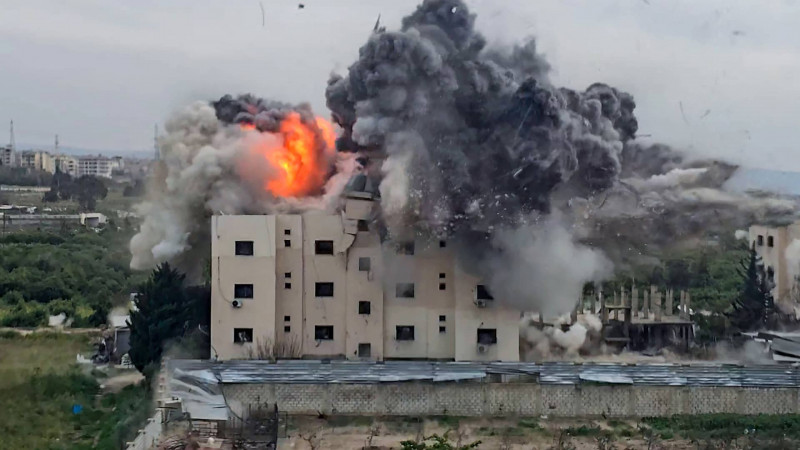
The U. S. -Iran war has fundamentally altered the security landscape in the Middle East. While the U. S. and Israel have reportedly achieved significant tactical milestones -- most notably the assassination of Supreme Leader Ali Khamenei -- Iran's strategy has pivoted from direct military engagement (where it is severely outmatched) to geographic and economic horizontal escalation.



#ArtificialIntelligence #BehavioralFinance #InvestmentStrategies

www.forbes.com
AI, Bubbles, The Psychology Of Markets And What Harvard Is Teaching Leaders About Investing In Irrational Times
Artificial intelligence is reshaping markets at a velocity no previous technology has matched. Models update faster than humans can react, narratives spread globally in seconds, and capital rotates across asset classes long before fundamentals adjust.
B

#Bonds #FinancialMarkets #InvestmentStrategies
www.bloomberg.com
Why Global Bond Markets Are More Prone to Flash Crashes
The root cause of the Treasury rout runs deeper, with questions about whether it makes sense to hold developed countries' government bonds, and the potential for wealthy economic blocs to use their holdings to their advantage.